Klinik Central provides medical assessment and selected outpatient procedures for common skin concerns. Depending on the condition, location, size and clinical findings, treatment may involve laser therapy, minor removal procedures or injections.
Not every mole, lump or raised skin lesion is suitable for immediate removal. A doctor should assess the area first and advise whether treatment, monitoring, referral or laboratory examination of removed tissue may be appropriate.
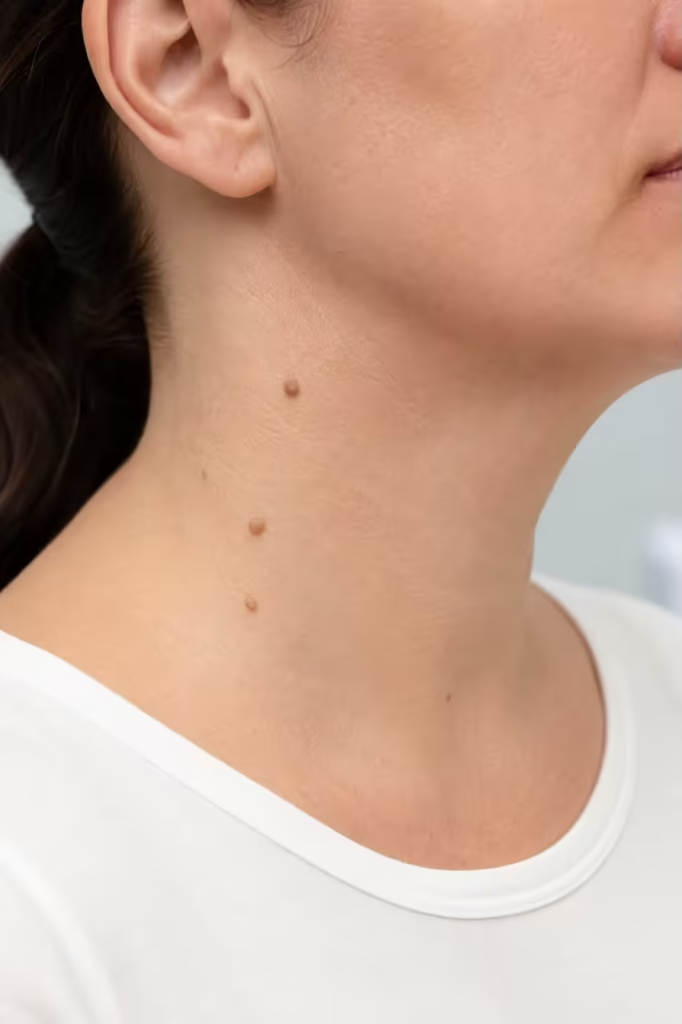
Skin tags are small, soft growths that commonly develop in areas where the skin rubs against clothing or other skin. They frequently appear around the neck, underarms, eyelids, groin or beneath the breasts.
Skin tags are usually harmless, but removal may be considered when they:
Removal methods may include cautery, minor excision or another suitable technique, depending on the size and location.
After removal, a small wound or crust may form while the skin heals. Temporary redness or pigmentation changes may occur, particularly in patients who are prone to post-inflammatory pigmentation.
Not every raised growth is a skin tag. Warts, moles and other skin lesions can sometimes look similar, so the correct type of lesion should be identified before removal.
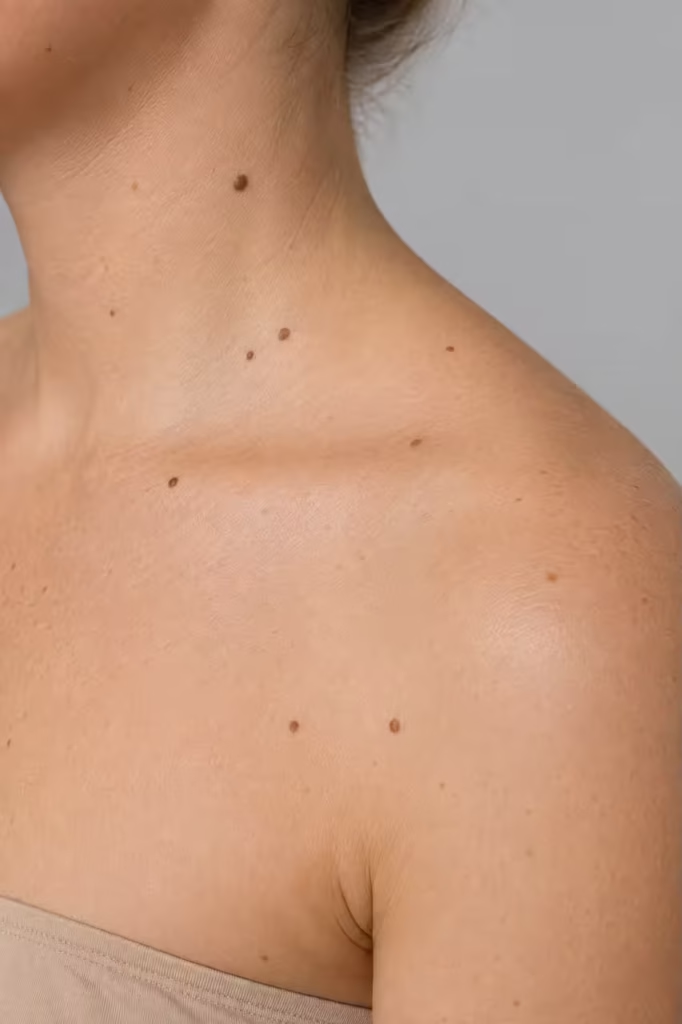
Moles are common skin growths that may be flat or raised and vary in colour, shape and size. Many remain unchanged for years, while others may gradually develop over time.
Patients should pay attention to changes such as:
Mole removal may be considered when a mole becomes repeatedly irritated, catches on clothing, interferes with shaving or causes cosmetic concern.
The removal method depends on the mole’s appearance, size, depth and location. Options may include shave removal, minor surgical excision or another appropriate method.
Some moles should be sent for histopathological examination after removal, particularly when their appearance is unusual or there is uncertainty about the diagnosis. Laser treatment is not always the preferred option because it may destroy tissue that would otherwise be available for laboratory examination.
Patients should also understand that a small scar or pigmentation change may remain after removal.
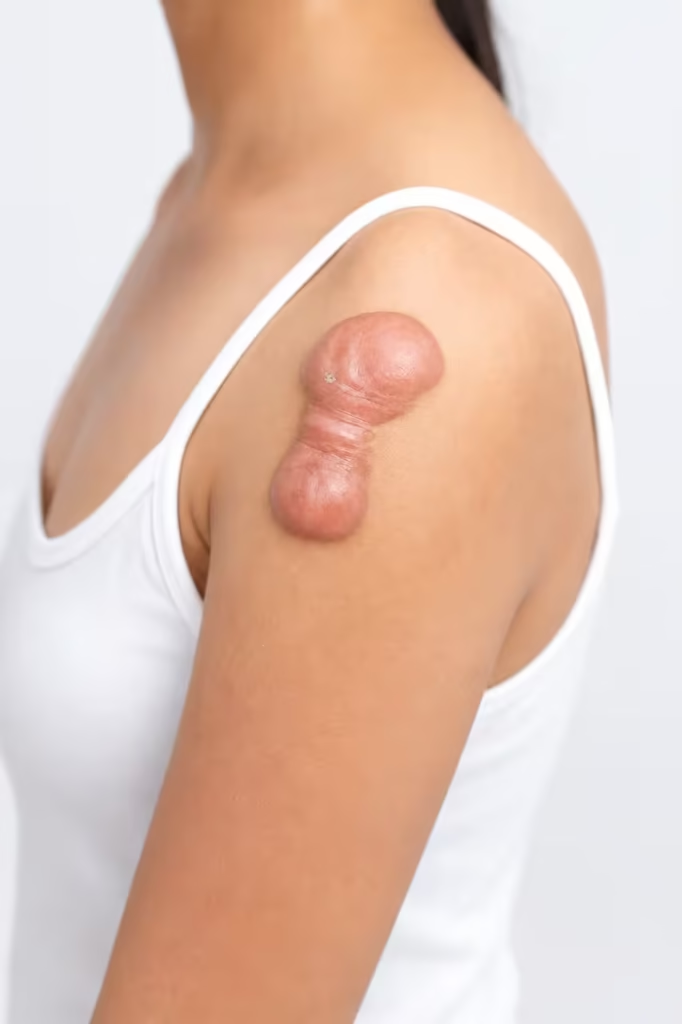
A keloid is a raised scar that continues growing beyond the original boundary of a wound. It can develop after surgery, injury, acne, vaccination, burns or ear piercing.
Keloids may cause:
Treatment aims to flatten, soften or reduce symptoms rather than guarantee complete removal.
Depending on the keloid, management may include:
Keloid injections often require several sessions over time. Improvement varies, and recurrence can occur even after treatment.
Patients with a personal or family tendency to develop keloids should inform the clinic before undergoing piercings, surgery or procedures that may injure the skin.
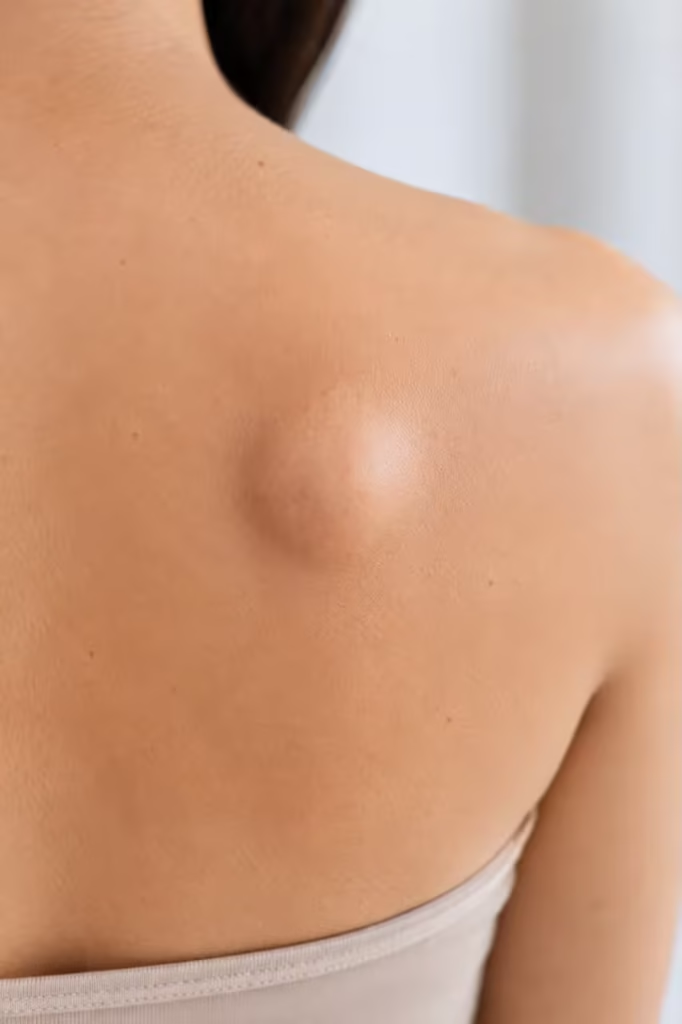
Skin lumps can develop for many reasons. Common examples include cysts, lipomas, blocked glands and other benign growths, but the cause cannot always be identified from appearance alone.
A lump may require attention if it:
Small and superficial lumps may sometimes be removed through a minor outpatient procedure under local anaesthesia.
The procedure may involve:
Some removed lumps may be sent for laboratory examination to confirm the diagnosis.
Larger, deeper or unusually located lumps may require ultrasound, imaging or specialist referral rather than immediate removal in a primary care clinic.
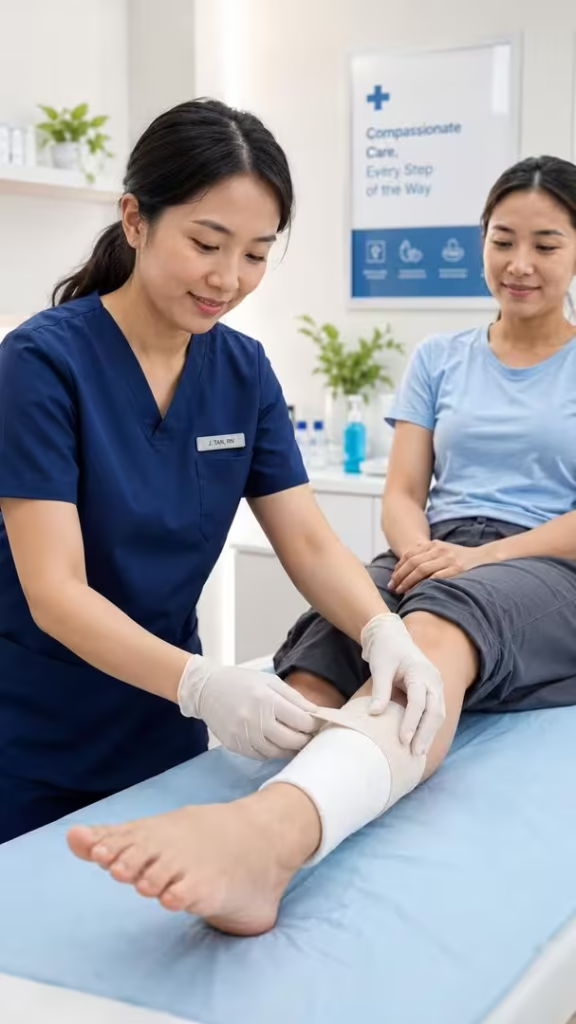
Proper wound care helps protect the injured area, manage discharge and support the normal healing process. Klinik Central provides wound assessment, cleaning and dressing for selected acute and ongoing wounds.
Wound dressing may be appropriate for:
During the visit, the wound may be checked for its size, depth, discharge, surrounding redness and signs of infection. The area may then be cleaned and covered with a dressing selected according to the wound’s condition.
Different wounds require different approaches. A dry superficial wound may need simple protection, while a deeper or discharging wound may require absorbent dressings, more frequent review or additional treatment.
You can contact our clinic directly by phone, WhatsApp, or visit us in person during operating hours. Our team will help schedule a suitable time for your visit.
Yes, walk-ins are welcome. However, we recommend calling ahead for availability, especially during peak hours.
Please bring your identification card, medical records (if available), and a list of any medications or allergies. For follow-ups, bring your previous reports or prescriptions.
We accept cash, credit/debit cards, and selected e-wallet payments for your convenience.
Yes, our doctors are experienced in treating both adults and children, ensuring quality care for the whole family.
No problem! Our medical team will help assess your symptoms and guide you to the most appropriate care.
From routine check-ups to personalized care, we’re here for you.
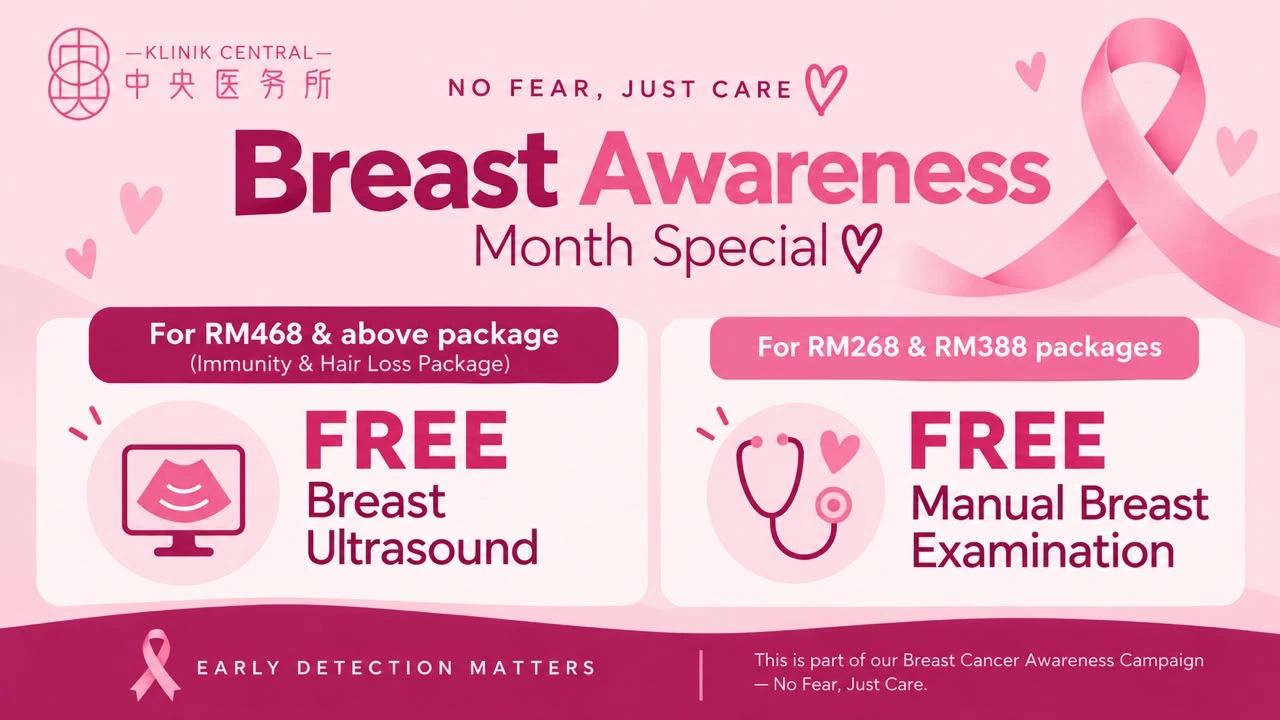
全面的荷爾蒙與健康檢測,附送免費乳房超聲波檢查,讓您安心無憂。
A complete hormone and wellness profile, with a free breast ultrasound included for your peace of mind.
