Dengue warning signs may include severe abdominal pain, persistent vomiting, bleeding, difficulty breathing, extreme weakness or unusual drowsiness. These symptoms require prompt medical attention, especially if they appear when the fever begins to settle.
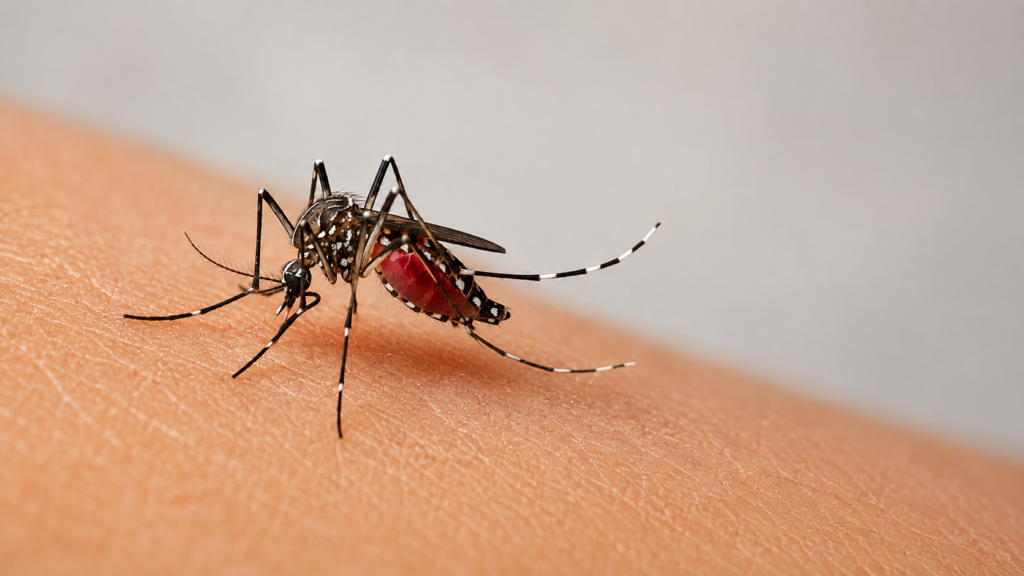
Dengue is a viral infection transmitted through the bite of an infected Aedes mosquito. Common symptoms include fever, headache, pain behind the eyes, muscle or joint pain, nausea, vomiting and rash.
Many people recover within one to two weeks, but dengue can sometimes progress into a more serious illness. Early medical assessment is important, especially when symptoms are worsening or warning signs appear.
What are the dengue warning signs and common symptoms?
Symptoms may begin several days after an infected mosquito bite.
Common symptoms include:
- High fever
- Severe headache
- Pain behind the eyes
- Muscle, bone or joint pain
- Nausea or vomiting
- Tiredness
- Skin rash
These symptoms can resemble influenza, COVID-19 and other viral infections. A doctor will consider your symptoms, examination findings and medical history before deciding whether blood tests are needed.
Symptoms alone cannot confirm dengue. Some dengue warning signs can appear after the fever starts to improve.
When should you see a doctor?
Arrange a medical assessment if you have:
- Persistent or high fever
- Fever with severe headache or body aches
- Pain behind the eyes
- Repeated nausea or vomiting
- Unusual tiredness or weakness
- Skin rash together with fever
- Symptoms that are not improving
- Recent exposure to an area with dengue activity
Children, pregnant patients, older adults and people with underlying medical conditions may require earlier assessment.
What are the warning signs of severe dengue?
Warning signs can sometimes appear when the fever starts to come down. A lower temperature does not always mean that the patient is fully recovering.
Seek urgent medical attention if you develop:
- Severe or persistent abdominal pain
- Persistent vomiting
- Bleeding from the nose or gums
- Blood in vomit or stool
- Unusual bruising
- Rapid breathing or difficulty breathing
- Pale, cold or clammy skin
- Severe weakness
- Extreme thirst
- Restlessness, confusion or unusual drowsiness
These symptoms may indicate severe dengue and should not be managed at home without medical advice.
Can dengue become worse after the fever goes down?
Yes. Some dengue warning signs can appear after the fever starts to improve.
The critical phase of dengue can occur around the time the fever begins to settle. Patients may feel that they are recovering, but warning signs such as abdominal pain, vomiting, bleeding or sudden weakness may begin during this period.
Continue monitoring symptoms even after the temperature improves.
How is dengue diagnosed?
A doctor may assess:
- Your symptoms and duration of fever
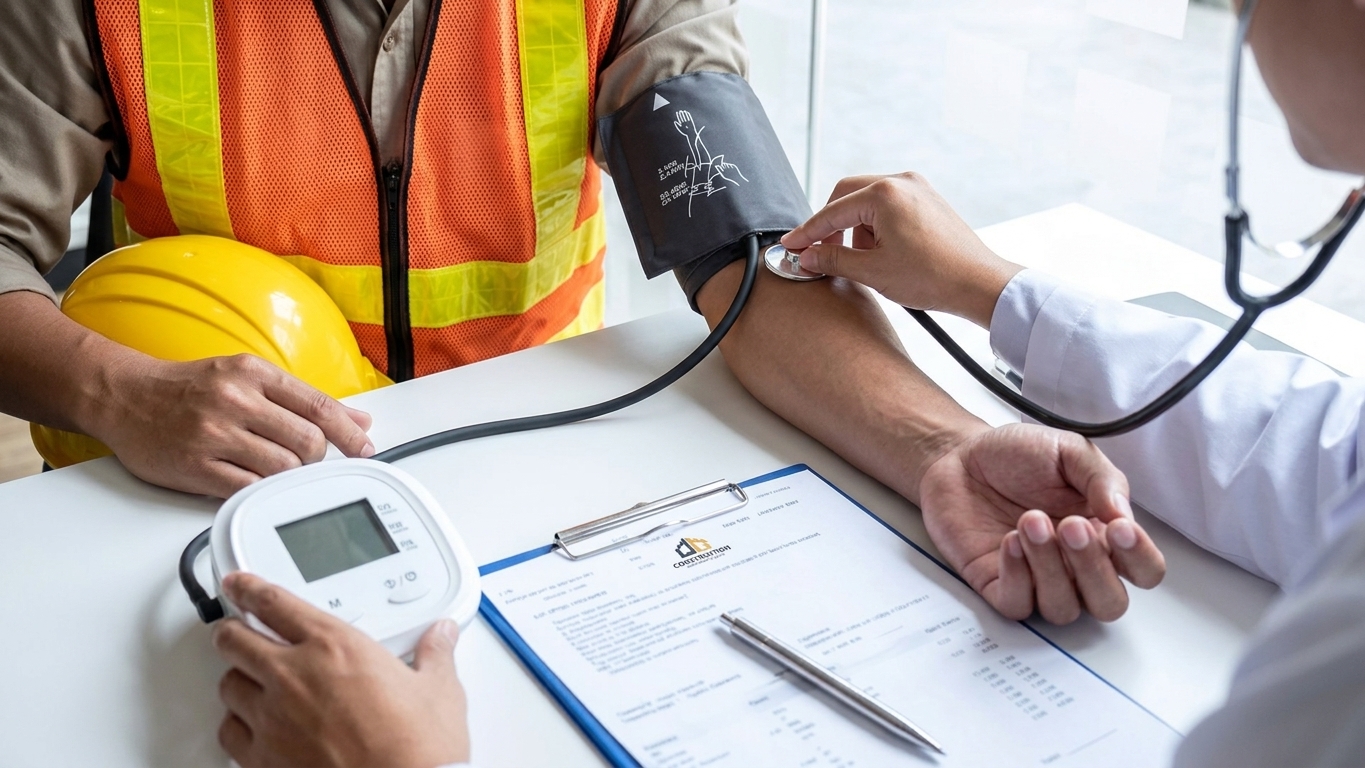
- Blood pressure, pulse and hydration
- Signs of bleeding or abdominal tenderness
- Full blood count, including platelet and haematocrit levels
- Dengue-specific blood tests where appropriate
The type and timing of testing depend on how many days you have been unwell.
An early negative test may not always completely exclude dengue. Repeat assessment or additional blood tests may be advised if symptoms continue or worsen.
What should you do while waiting to see a doctor?
While arranging medical care:
- Rest
- Drink sufficient fluids
- Monitor your temperature and symptoms
- Watch for warning signs
- Follow medication advice from a healthcare professional
WHO advises avoiding aspirin and non-steroidal anti-inflammatory medicines such as ibuprofen in suspected dengue because they may increase bleeding risk. Paracetamol may be used for fever or discomfort when medically appropriate and according to the correct dose.
Do not delay medical assessment if symptoms are worsening.
When should you go directly to a hospital?
Go to the nearest emergency department immediately if the patient has:
- Difficulty breathing
- Fainting or reduced consciousness
- Significant bleeding
- Blood in vomit or stool
- Severe abdominal pain
- Persistent vomiting with inability to drink
- Cold, pale or clammy skin
- Confusion, extreme drowsiness or severe weakness
Klinik Central is not a substitute for emergency hospital care in a medical emergency.
Can you prevent dengue?
Dengue prevention focuses mainly on reducing mosquito bites and breeding areas.
Helpful measures include:
- Remove stagnant water around the home
- Empty and clean water containers regularly
- Cover water-storage containers
- Use mosquito repellent
- Wear clothing that covers the arms and legs
- Use window screens where possible
Aedes mosquitoes commonly bite during the daytime, so protection is important throughout the day.
Where can you get assessed for dengue near Subang Jaya or Taman Megah?
Patients with fever or possible dengue symptoms may visit Klinik Central for a medical assessment.
Klinik Central SS15 Subang Jaya
Monday–Saturday: 8:00 AM–9:00 PM
Sunday: 8:00 AM–4:00 PM
Klinik Central Taman Megah
Monday: Closed
Tuesday, Wednesday and Saturday: 8:00 AM–4:00 PM
Thursday and Friday: 8:00 AM–9:00 PM
Sunday: 10:00 AM–7:00 PM
Testing will depend on the doctor’s assessment, the duration of symptoms and test availability.