Quick Summary: Irregular periods are menstrual cycles that deviate from the normal 21-35 day range. Common causes include PCOS, thyroid disorders, stress, and hormonal imbalances. Treatment options range from lifestyle modifications to medications depending on the underlying cause. Seek medical attention if you experience severe bleeding, periods longer than 7 days, or have missed three consecutive periods.
An irregular period occurs when your menstrual cycle deviates from the normal 21-35 day range, or when the duration and flow of your period changes significantly. This condition affects approximately 14-25% of women of reproductive age in Malaysia.
Understanding Different Types of Irregular Periods
What are the different types of menstrual irregularities?
There are six main types of irregular periods, each with distinct characteristics:
1. Amenorrhea (Absent Periods)
Amenorrhea refers to the absence of menstrual periods. Primary amenorrhea occurs when menstruation hasn’t started by age 16, while secondary amenorrhea is when periods stop for three or more consecutive months in women who previously had regular cycles.
2. Oligomenorrhea (Infrequent Periods)
Oligomenorrhea describes infrequent menstrual periods occurring at intervals longer than 35 days. Women with this condition may only have 4-9 periods per year.
3. Menorrhagia (Heavy Bleeding)
Menorrhagia is characterized by abnormally heavy or prolonged menstrual bleeding. If you’re soaking through pads or tampons every hour, passing large blood clots, or bleeding for more than 7 days, you may have menorrhagia.
4. Metrorrhagia (Bleeding Between Periods)
Metrorrhagia involves irregular bleeding between menstrual periods. This spotting or bleeding can occur at unpredictable times and varies in flow intensity.
5. Polymenorrhea (Frequent Periods)
Polymenorrhea refers to menstrual cycles that occur too frequently, with fewer than 21 days between periods.
6. Dysmenorrhea (Painful Periods)
Dysmenorrhea refers to painful periods that often accompany other menstrual irregularities and can significantly impact quality of life.
Common Causes of Irregular Menstruation in Women
What causes irregular periods?
Irregular periods can result from two main categories: medical conditions and lifestyle factors.
Medical Conditions Leading to Irregular Periods
1. Polycystic Ovary Syndrome (PCOS)
● Most common cause of irregular periods in Malaysia
● Affects 5-10% of women of reproductive age
● Leads to irregular ovulation and hormonal imbalances
2. Thyroid Disorders
● Both hypothyroidism and hyperthyroidism affect menstrual regularity
● Thyroid gland regulates metabolism and hormone production
● Can cause irregular, heavy, or absent periods
3. Uterine Fibroids and Polyps
● Benign growths in the uterus
● Cause heavy bleeding and prolonged periods
● Particularly common in women in their 30s and 40s
4. Endometriosis
● Tissue similar to uterine lining grows outside the uterus
● Causes painful periods
5. Hormonal Imbalances
● Disruptions in estrogen, progesterone, or other reproductive hormones
● Can be due to conditions of the pituitary or adrenal gland
● Hormonal imbalances affects normalmenstrual cycle regulation
6. Pelvic Inflammatory Disease (PID)
● Infection of reproductive organs
● Causes irregular bleeding, fever, pelvic pain and vaginal discharge
● Requires prompt medical attention
Other medical causes include:
● Premature ovarian insufficiency
● Diabetes and insulin resistance
● Blood clotting disorders
How Lifestyle Affects Your Menstrual Cycle
Can lifestyle cause irregular periods?
Yes. Several lifestyle factors can temporarily or chronically disrupt your menstrual cycle:
● Stress: Affects hormones that regulate ovulation, leading to delayed or missed periods
● Weight fluctuations: Significant weight loss or gain disrupts hormone production
● Excessive exercise: Intense training can lead to hormonal changes affecting menstruation
● Poor nutrition: Insufficient caloric intake prevents normal hormone production
● Medications: Hormonal contraceptives, certain antidepressants, and other drugs
● Sleep disturbances: May influence hormone secretion
● Smoking and alcohol: Linked to menstrual problems and irregularities
Diagnosing Irregular Periods: What to Expect at Your Appointment
How are irregular periods diagnosed?
At Klinik Central, diagnosis involves a comprehensive evaluation tailored to your individual situation.
The Diagnostic Process
Step 1: Medical History and Consultation
Your doctor will discuss:
● Your menstrual patterns (cycle length, flow intensity, duration)
● Associated symptoms (pain, mood changes, fatigue)
● Medical history and current medications
● Lifestyle factors and stress levels
Step 2: Physical Examination
A physical examination helps identify any obvious abnormalities or signs of underlying conditions.
Step 3: Diagnostic Tests (If Needed)
Depending on your symptoms and medical history, your doctor may recommend specific tests such as:
● Blood tests
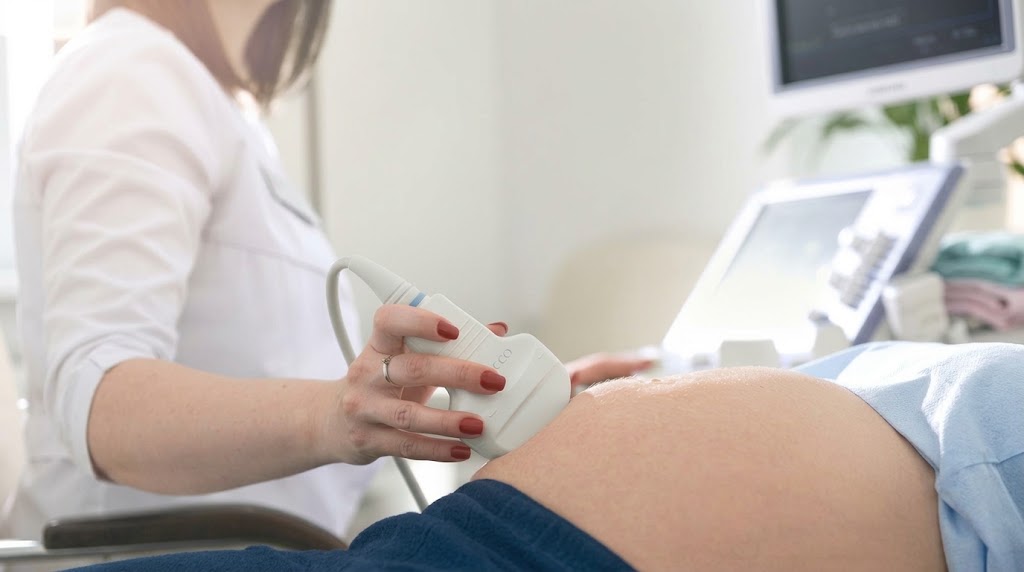
● Ultrasound examination to visualize reproductive organs
● Other investigations as appropriate
Important: Not every patient requires all these tests. Your doctor will determine which tests are necessary for your specific situation to avoid unnecessary procedures.
The goal is to identify the underlying cause so we can recommend the most effective treatment approach for you.
Warning Signs: When to See a Doctor for Irregular Periods
When should you see a doctor for irregular periods?
Seek medical attention if you experience any of these warning signs:
Urgent Symptoms (Schedule Appointment Soon)
● Sudden, severe bleeding soaking through pads/tampons every hour
● Blood clots larger than a quarter
● Periods lasting longer than 7 days consistently
● Regular bleeding or spotting between periods
● Three or more missed consecutive periods (not pregnant)
● Periods occurring more frequently than every 21 days
● Severe pelvic pain interfering with daily activities
Other Concerning Signs
● No menstruation by age 16
● Suddenly irregular periods after years of regularity
● Bleeding after menopause
● Symptoms of anemia (extreme fatigue, weakness, dizziness)
● Irregular cycles while trying to conceive
● Unusual vaginal discharge with irregular bleeding
Early consultation helps identify underlying conditions and ensures appropriate treatment.
Frequently Asked Questions About Irregular Periods
Is it normal to have irregular periods?
Occasional irregularities can be normal, especially during times of stress or lifestyle changes. However, consistently irregular periods warrant medical evaluation to rule out underlying conditions.
Can irregular periods affect fertility?
Yes. Irregular periods often indicate irregular ovulation, which can make conception more difficult. If you’re trying to conceive with irregular cycles, medical consultation is recommended.
How long does it take to regulate irregular periods?
Treatment duration varies depending on the underlying cause. Hormonal treatments may regulate cycles within 1-3 months, while addressing underlying conditions like PCOS or thyroid disorders may take longer.
Do irregular periods mean I have PCOS?
Not necessarily. While PCOS is a common cause of irregular periods, many other conditions and factors can cause menstrual irregularities. Proper diagnosis is essential.
Schedule Your Consultation at Klinik Central Today
At Klinik Central, we provide professional medical care for women experiencing irregular periods in Subang and Petaling Jaya and throughout the Klang Valley. Our experienced doctors can help diagnose the cause of your menstrual irregularities and recommend appropriate treatment options.
Why Choose Klinik Central
● Experienced doctors specializing in women’s health
● Professional medical consultation in a comfortable environment
● Evidence-based treatment protocols
● Flexible appointment times
● Convenient location at SS15, Subang and Taman Megah, Petaling Jaya
Need help with irregular periods? Schedule your consultation at Klinik Central today for professional medical evaluation and treatment in Subang and Petaling Jaya, Selangor.