
How sugar affects heart health is an important topic because excessive intake of added sugar may contribute to health problems such as obesity, diabetes, high blood pressure, and abnormal cholesterol levels, which can increase the risk of cardiovascular disease.
Consuming too much added sugar does not directly cause heart disease by itself. However, a consistently high intake may contribute to weight gain, high triglycerides, insulin resistance and type 2 diabetes, all of which can increase cardiovascular risk over time.
Protecting your heart involves more than simply avoiding sweets. It also means maintaining a healthy weight, staying physically active and monitoring important health indicators such as blood pressure, blood glucose and cholesterol.
At Klinik Central, we support preventive healthcare by helping patients understand their individual risk factors through appropriate health assessments and practical lifestyle guidance.
How Sugar Affects Heart Health and Why Excess Sugar Intake Matters?
Excessive sugar intake does not directly cause heart disease on its own. However, consistently consuming high amounts of added sugar may contribute to several conditions that increase cardiovascular risk.
These include:
- Weight gain and obesity
- Increased blood sugar levels
- Insulin resistance
- Type 2 diabetes
- High blood pressure
- Increased triglyceride levels
- Fatty liver disease
- Increased risk of heart disease and stroke
Over time, these conditions can place additional stress on the heart and blood vessels.
The Link Between Sugar and Heart Diseases
1. Excess Sugar Can Contribute to Weight Gain
Foods and drinks high in added sugar often contain extra calories but provide limited nutritional value.
Regular consumption of sugary beverages and processed foods may contribute to excess calorie intake, which can lead to weight gain and obesity.
Being overweight or obese increases the risk of:
- High blood pressure
- Diabetes
- High cholesterol
- Heart disease
Maintaining a healthy body weight is an important part of protecting your heart.
2. High Sugar Intake Can Affect Blood Sugar Control
When we consume carbohydrates, the body breaks them down into glucose, which is used as energy.
However, frequent consumption of high-sugar foods and drinks may cause repeated increases in blood glucose levels. Over time, this may contribute to insulin resistance, where the body becomes less effective at using insulin.
Insulin resistance increases the risk of developing type 2 diabetes, which is a major risk factor for cardiovascular disease.
3. Sugar May Affect Cholesterol and Triglyceride Levels
A diet high in added sugars may contribute to increased triglycerides, a type of fat found in the blood.
High triglyceride levels, especially when combined with low HDL (“good”) cholesterol and other risk factors, may increase the risk of fatty deposits forming in blood vessels.
This process, known as atherosclerosis, can reduce blood flow and increase the risk of heart attacks and strokes.
4. Sugar, Inflammation, and Blood Vessel Health
Excessive sugar intake may contribute to chronic inflammation in the body.
Long-term inflammation may affect blood vessel health by:
- Damaging the inner lining of blood vessels
- Promoting plaque formation
- Increasing cardiovascular risk
Keeping sugar intake within recommended limits is one part of maintaining healthy blood vessels.
Why Sugary Drinks Are a Concern in Malaysia

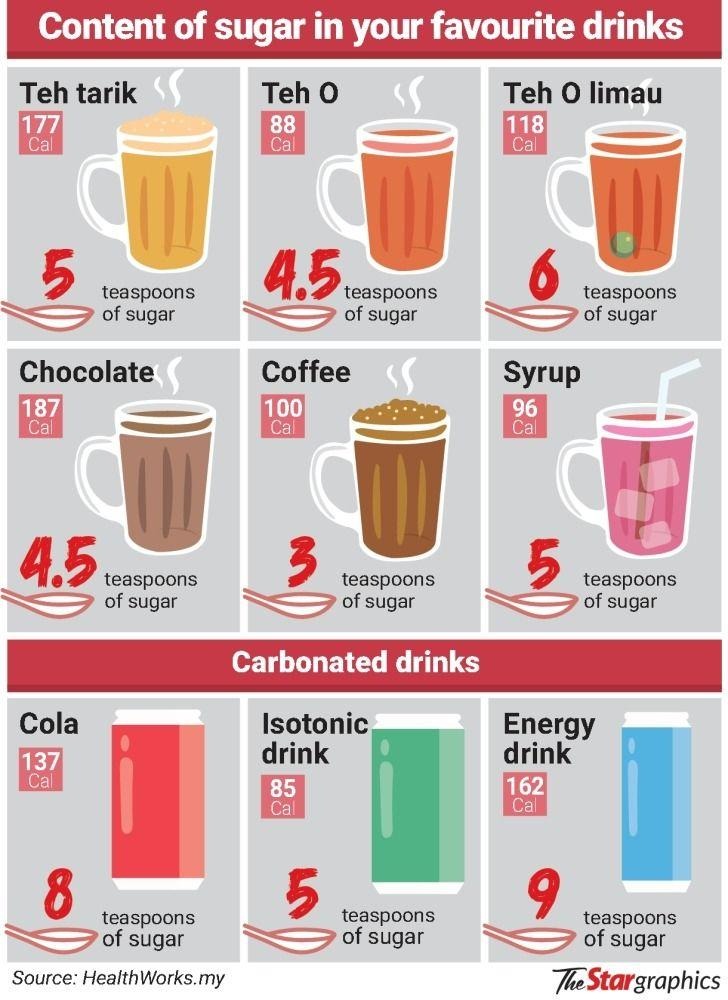

Sweetened beverages are one of the most common sources of added sugar among Malaysians.
Examples include:
- Teh tarik
- Sweetened coffee
- Bubble tea
- Carbonated drinks
- Packaged fruit drinks
- Kuih (Traditional Malaysian desserts)
Liquid calories can be easily consumed in large amounts and may not provide the same feeling of fullness compared with solid foods.
Simple changes can help reduce sugar intake:
| Instead of | Try |
| Teh tarik with extra sugar | Less sugar or unsweetened tea |
| Soft drinks | Plain water |
| Sweetened coffee | Coffee with reduced sugar |
| Flavoured drinks | Water infused with fruit |
Natural Sugar vs Added Sugar: What Is the Difference?
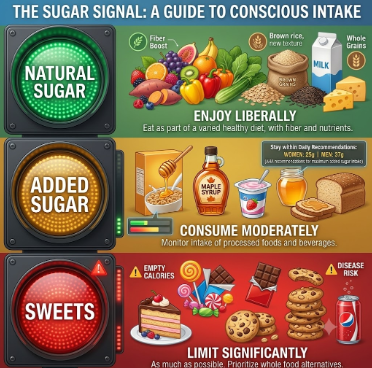
Not all sugars are the same.
| Aspect | Natural Sugars | Added Sugars |
|---|---|---|
| Definition | Sugars naturally present in foods | Sugars added to foods or drinks during processing or preparation |
| Common Sources | Fruits, vegetables, milk, and dairy products | Soft drinks, desserts, sweets, cakes, biscuits, sauces, and processed foods |
| Nutritional Value | Usually come with beneficial nutrients such as fibre, vitamins, minerals, and protein | Often provide calories with little or no nutritional benefit |
| Effect on Blood Sugar | Usually absorbed more slowly, especially when paired with fibre or protein | Can cause rapid increases in blood sugar levels, especially in sugary drinks |
| Examples | Fructose in fruits, lactose in milk | Table sugar (sucrose), high-fructose corn syrup, syrups, sweeteners added to packaged foods |
| Impact on Heart Health | Generally not a concern when consumed as part of a balanced diet | Excess intake may increase the risk of weight gain, high triglycerides, diabetes, and heart disease |
| Recommended Approach | Enjoy as part of a healthy, balanced diet | Limit intake and choose lower-sugar alternatives when possible |
Added sugars should be consumed in moderation as part of a balanced diet.
What Is Metabolic Syndrome?
Metabolic syndrome refers to a combination of health risk factors that often occur together.
These include:
- Increased waist circumference
- High blood pressure
- High blood sugar
- High triglyceride levels
- Low HDL cholesterol levels
Having multiple risk factors increases the risk of developing cardiovascular disease and diabetes.
Early detection through regular health screening can help individuals take action before complications develop.
How Much Sugar Should We Consume?
Kementerian Kesihatan Malaysia (KKM) encourages Malaysians to reduce intake of added sugars as part of a healthy lifestyle.
Practical steps include:
- Choosing plain water as the main daily drink
- Reducing sugar added to beverages
- Limiting processed and sweetened foods
- Choosing balanced meals with vegetables, fruits, whole grains, and lean proteins
- Maintaining regular physical activity
Small lifestyle changes, when practised consistently, can improve long-term health.
How Can You Protect Your Heart Health?
Maintaining good heart health involves more than reducing sugar intake.
Healthy habits include:
✅ Eating a balanced diet
✅ Exercising regularly
✅ Maintaining a healthy weight
✅ Avoiding smoking
✅ Managing stress
✅ Monitoring blood pressure, blood sugar, and cholesterol levels
✅ Attending regular health screenings
Heart Health Screening at Klinik Central
Many heart-related risk factors, such as high blood pressure, high cholesterol, and elevated blood sugar, may not cause noticeable symptoms in the early stages.
At Klinik Central, our Heart & Immunity Package is designed to help individuals monitor important health markers and understand their overall health status.
Health screening may help assess factors related to:
- Blood pressure
- Waist circumference or BMI
- Blood glucose or HbA1c
- Lipid profile
- ECG where clinically appropriate
- Relevant medical and family history
Our doctors can guide you on suitable screening options based on your age, medical history, lifestyle, and risk factors.

You can have a look at our Immunity and Heart Screening package here!
When Should You See a Doctor?
You should consider speaking with a doctor if you have:
- A family history of diabetes or heart disease
- High blood pressure
- High cholesterol
- Increased waist circumference or obesity
- Persistent fatigue
- Increased thirst or frequent urination
- Previous abnormal blood test results
Early assessment allows appropriate lifestyle changes and medical advice to be provided sooner.
Frequently Asked Questions (FAQ)
Does eating sugar cause heart disease?
Eating sugar occasionally does not directly cause heart disease. However, regularly consuming excessive amounts of added sugar may contribute to obesity, diabetes, high blood pressure, and abnormal cholesterol levels, which increase cardiovascular risk.
Is fruit sugar harmful to the heart?
Whole fruits contain natural sugars along with fibre, vitamins, and minerals. They can be part of a healthy balanced diet. However, fruit juices may contain concentrated sugar and should be consumed in moderation.
Is brown sugar healthier than white sugar?
Brown sugar and white sugar contain similar amounts of calories and should both be consumed in moderation.
Can reducing sugar improve heart health?
Yes. Reducing excessive added sugar intake may help with weight management, blood sugar control, and lowering certain cardiovascular risk factors.
What health checks can monitor my heart risk?
Depending on your health profile, a doctor may recommend:
- Blood pressure monitoring
- BMI and waist circumference assessment
- Blood glucose testing
- HbA1c testing
- Lipid profile testing
- ECG when clinically indicated
Can a healthy person still benefit from heart screening?
Yes. People without symptoms may still have risk factors such as high blood pressure, elevated cholesterol or raised blood glucose. The appropriate checks and frequency depend on age, family history, lifestyle and existing health conditions. A doctor can advise which screening tests are relevant rather than automatically selecting the largest package.