Fatty liver disease in Malaysia is often associated with alcohol, but alcohol is not the only cause. Many people develop excess fat in the liver in association with metabolic factors such as excess body weight, insulin resistance, type 2 diabetes and abnormal cholesterol levels.
Metabolic dysfunction-associated steatotic liver disease (MASLD), previously known as non-alcoholic fatty liver disease or NAFLD, occurs when excess fat builds up in the liver together with one or more cardiometabolic risk factors such as excess weight, high blood sugar, high blood pressure or abnormal cholesterol levels. It can occur even in people who drink little or no alcohol
Many people have no symptoms and first discover it after an abnormal blood-test results or imaging performed for another reason.
What Is Fatty Liver Disease?
The liver performs many important functions: filtering toxins, storing nutrients, regulating metabolism, and supporting digestion.
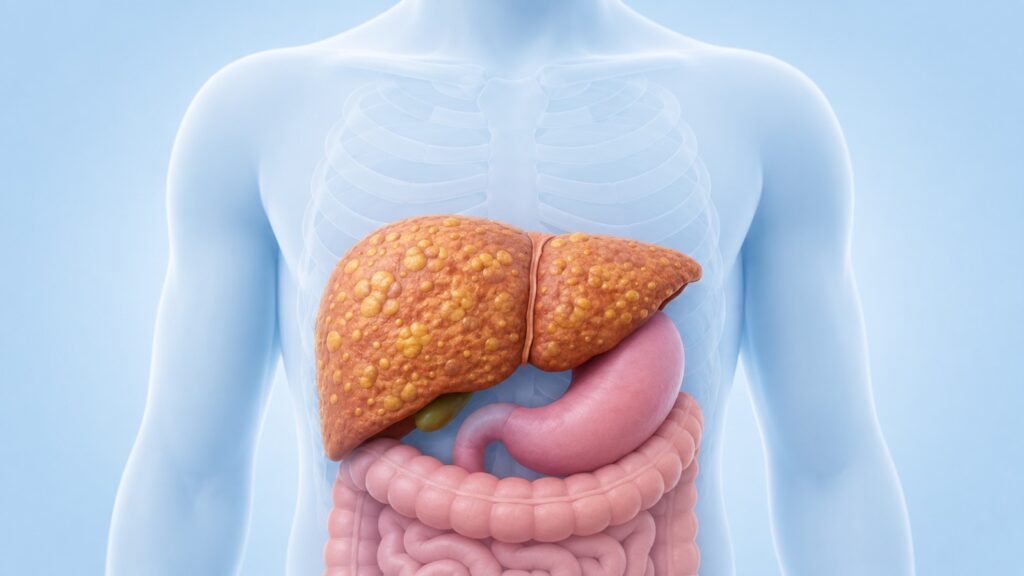
Fatty liver disease develops when excess fat accumulates inside liver cells. For many people, fatty liver remains relatively stable. However, in some patients it can progress to liver inflammation and fibrosis. Advanced fibrosis may eventually lead to cirrhosis and its complications, which is why identifying people at higher risk is important.
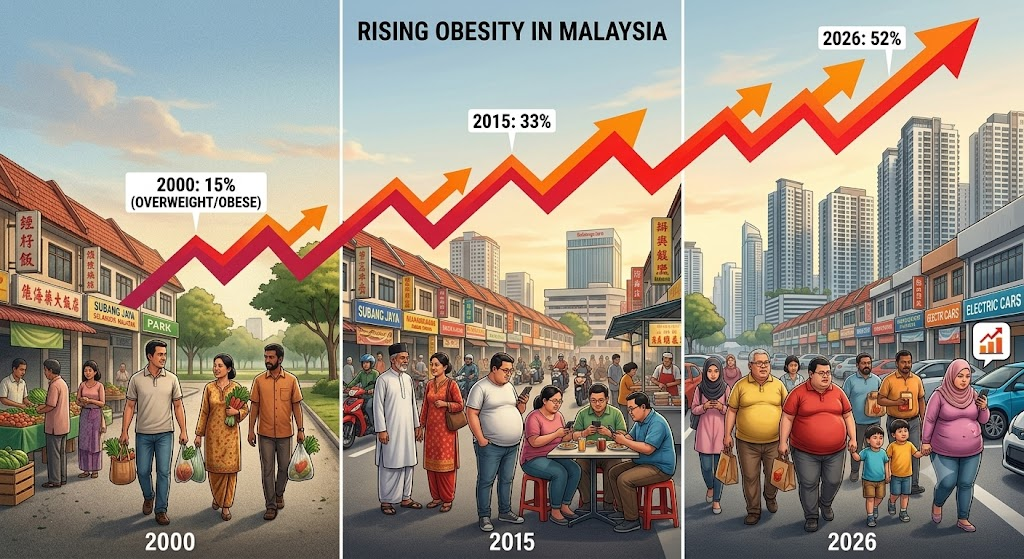
The increasing prevalence of fatty liver disease in Malaysia has become a major public health concern.
Why Is Fatty Liver Disease in Malaysia Becoming More Common?
Several lifestyle and metabolic factors have contributed to the growing number of cases of fatty liver disease in Malaysia.
1. Rising obesity rates
Excess body fat, especially around the waist, is one of the main risk factors for fatty liver disease.
According to the Ministry of Health (KKM), the BMI classifications for Asian populations are as follows:
| BMI (kg/m²) | Classification |
| Below 18.5 | Underweight |
| 18.5–22.9 | Normal weight |
| 23.0–27.4 | Overweight |
| 27.5 and above | Obesity |
Obesity and excess abdominal fat are important risk factors for MASLD. However, fatty liver can also occur in people whose BMI falls within the normal range.
2. Diabetes and insulin resistance
Insulin resistance causes the body to store more fat in the liver. People with type 2 diabetes have a significantly higher risk of developing fatty liver disease.
3. Diets high in sugar and processed foods
Sugar-sweetened beverages, processed foods, refined carbohydrates, and excessive calorie intake may increase fat accumulation in the liver. Excessive sugar consumption may also contribute to diabetes, obesity, and cardiovascular disease.
You can learn more in our article: “Sugar and Heart Health: How Excess Sugar Affects Your Body“.
4. Lack of physical activity
Spending prolonged periods sitting at work, studying, or driving may reduce the body’s ability to burn excess fat efficiently.
5. Genetics and ethnicity
Some individuals may have a higher genetic risk of developing fatty liver disease, even if they have a normal body weight.
Why Are Young Adults Developing Fatty Liver Disease in Malaysia?
Fatty liver disease is no longer limited to older adults.
MASLD can also occur in younger adults, particularly when metabolic risk factors such as obesity, insulin resistance or type 2 diabetes are present.
Several factors may explain this trend:
- Frequent consumption of sweetened beverages and processed foods
- Long working hours and increasingly sedentary lifestyles
- Irregular sleeping patterns
- Increased stress levels
- Weight gain, especially around the abdomen
- A family history of diabetes or metabolic disease
Many younger adults experience no symptoms at all. Abnormal liver function test results are often discovered during routine medical check-ups, pre-employment screenings, or abdominal ultrasound examinations.

What Are the Symptoms of Fatty Liver Disease in Malaysia?
Fatty liver disease often develops without obvious symptoms, especially in the early stages.
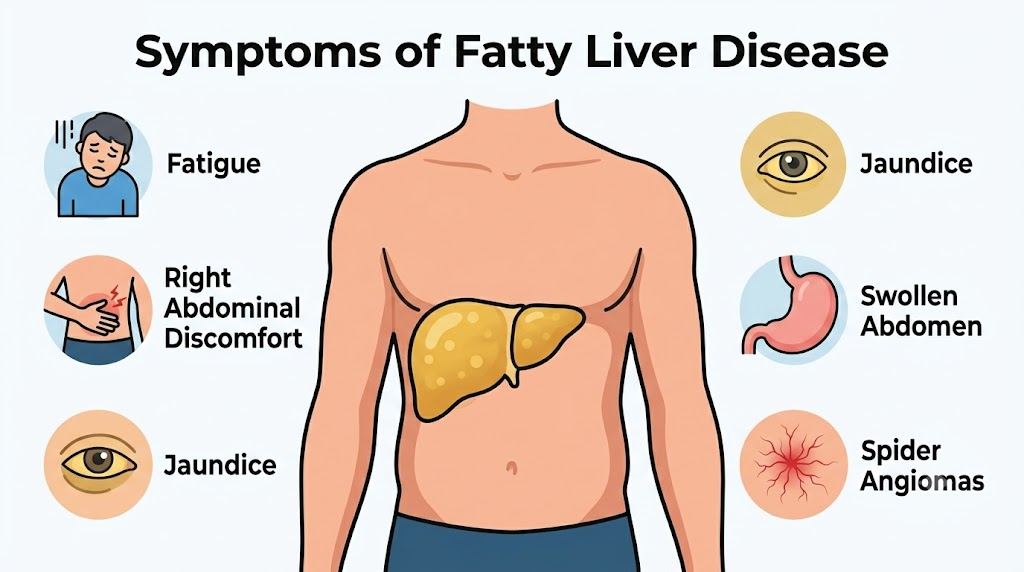
When symptoms do occur, they may include:
- Persistent tiredness or fatigue
- A vague feeling of fullness or discomfort in the upper right side of the abdomen
Conditions such as obesity, type 2 diabetes, high blood pressure and abnormal cholesterol are commonly associated with fatty liver disease, but they are better considered risk factors or related metabolic conditions rather than symptoms.
Because fatty liver disease can remain silent for a long time, some people only discover it after abnormal blood test results or imaging performed for another reason.
Who Is at Higher Risk of Fatty Liver Disease in Malaysia?
You may have a higher risk of developing fatty liver disease if you have:
- Obesity (BMI of 27.5 kg/m² or above)
- Excess abdominal fat
- Type 2 diabetes
- High blood pressure
- High cholesterol or high triglyceride levels
- Polycystic ovary syndrome (PCOS)
- Obstructive sleep apnoea
- A family history of metabolic disease
It is important to remember that even people with a normal BMI may develop fatty liver disease.
How Is Fatty Liver Disease in Malaysia Diagnosed?
Doctors usually rely on several methods to establish a diagnosis:
- Medical history and physical examination
- Liver function tests
- Blood glucose and cholesterol testing
- Abdominal ultrasound
- Additional imaging studies and specialised investigations when required
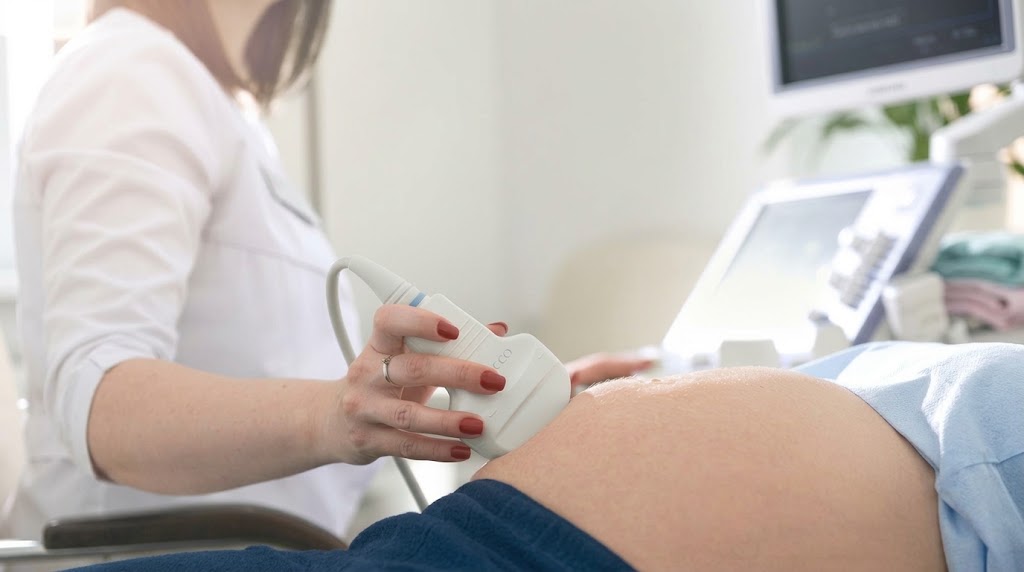
The diagnosis of fatty liver disease in Malaysia often begins during routine blood tests or ultrasound examinations.
Many cases are identified during routine health screenings because symptoms are often absent during the early stages.
Can Fatty Liver Disease Improve?
Yes. Liver fat and metabolic health can often improve, particularly when MASLD is identified early and its underlying risk factors are addressed. Improvements may occur with appropriate weight management, regular physical activity, healthier eating patterns and good control of diabetes, blood pressure and cholesterol.
The degree of improvement varies between individuals, especially when significant fibrosis or cirrhosis is already present.
When Should You See a Doctor?
You should consider seeking medical attention if you:
- Have diabetes, obesity, high blood pressure, or high cholesterol
- Have persistently abnormal liver function test results
- Have a family history of liver disease
- Experience unexplained fatigue or abdominal discomfort
Early detection allows treatment to begin before complications develop.
Frequently Asked Questions (FAQ)
Can someone who does not drink alcohol develop fatty liver disease?
Yes. Metabolic factors such as obesity, diabetes, high cholesterol, insulin resistance, genetics, and a sedentary lifestyle are among the leading causes.
Can thin people develop fatty liver disease?
Yes. This condition, sometimes called lean fatty liver disease, can occur even in people with a normal body weight.
Is fatty liver disease dangerous?
Without appropriate treatment, the condition may progress to inflammation, fibrosis, cirrhosis, liver failure, and liver cancer.
Can fatty liver disease be cured?
Early-stage fatty liver can often improve substantially, but the outcome depends on the severity of liver disease and the underlying metabolic risk factors. Long-term lifestyle and medical management may still be required.
Can children develop fatty liver disease?
Yes. Childhood obesity and increasing consumption of processed foods have contributed to a rise in fatty liver disease among children and adolescents.
Take-Home Message
Many Malaysians associate liver disease with excessive alcohol consumption, but this is not always the case. Obesity, diabetes, poor dietary habits, and sedentary lifestyles have all contributed to the increasing number of cases of fatty liver disease across the country.
With rising rates of obesity and diabetes, fatty liver disease in Malaysia is expected to become even more common in the coming years.
Because symptoms are often absent during the early stages, regular health screening remains one of the most effective ways to identify the condition before serious complications develop.