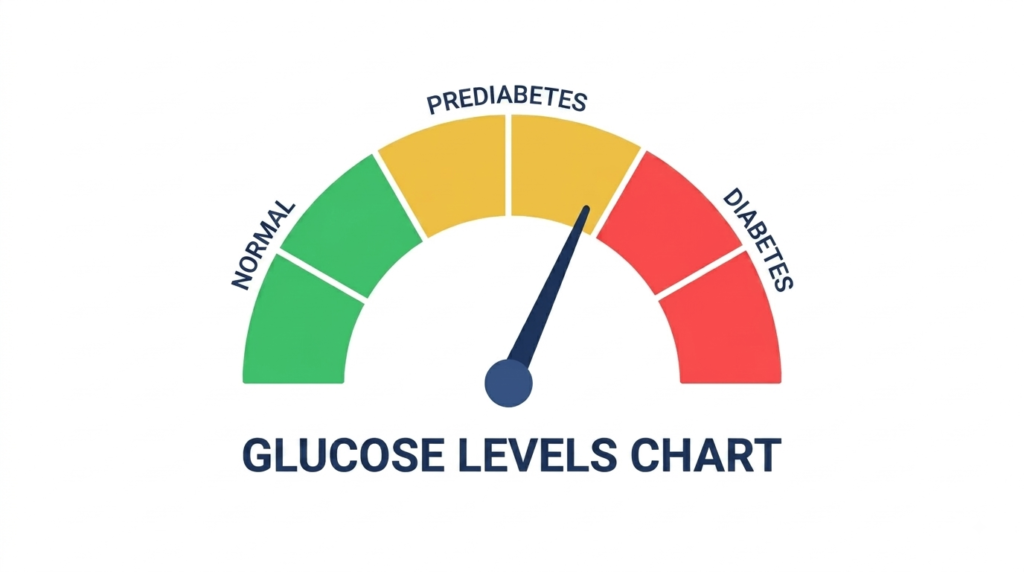
Prediabetes is a condition where your blood sugar levels are higher than normal but have not yet reached the level used to diagnose diabetes.
It is an important warning sign because people with prediabetes have an increased risk of developing type 2 diabetes and cardiovascular diseases including coronary heart disease, heart attack and stroke. The good news is that early detection gives you an opportunity to make lifestyle changes that may reduce the risk of progressing to type 2 diabetes.
________________________________________________________________________________________________________________________
What Is Prediabetes?
Prediabetes occurs when the body starts having difficulty maintaining normal blood glucose levels. This may happen as the body becomes less sensitive to insulin, the hormone that helps glucose enter your cells to be used for energy.
According to the Malaysian Ministry of Health (KKM) Clinical Practice Guidelines, prediabetes includes:
| Blood Test | Prediabetes Range |
| Fasting plasma glucose (FPG) | 6.1–6.9 mmol/L |
| 2-hour plasma glucose after OGTT | 7.8–11.0 mmol/L |
| HbA1c | 5.7–6.2% |
An abnormal result should be interpreted by a healthcare professional together with your medical history and other relevant tests.
________________________________________________________________________________________________________________________
Why Is Prediabetes a Serious Warning Sign?
Prediabetes should not be ignored simply because you have not developed diabetes.
It indicates that the body’s glucose regulation is already becoming impaired. Without appropriate intervention, some people with prediabetes may eventually progress to type 2 diabetes.
Prediabetes is also associated with a higher risk of cardiovascular disease, particularly when other risk factors such as high blood pressure, abnormal cholesterol, smoking or excess weight are present.
________________________________________________________________________________________________________________________
Does Prediabetes Have Symptoms?
Most people with prediabetes do not have obvious symptoms.
You may feel completely healthy while your blood sugar levels are already above the normal range. This is why blood screening can be particularly important for people with risk factors.
If blood glucose progresses into the diabetes range, symptoms can include increased thirst, frequent urination, unexplained weight loss, tiredness or blurred vision. However, diabetes can also be present without obvious symptoms.
________________________________________________________________________________________________________________________
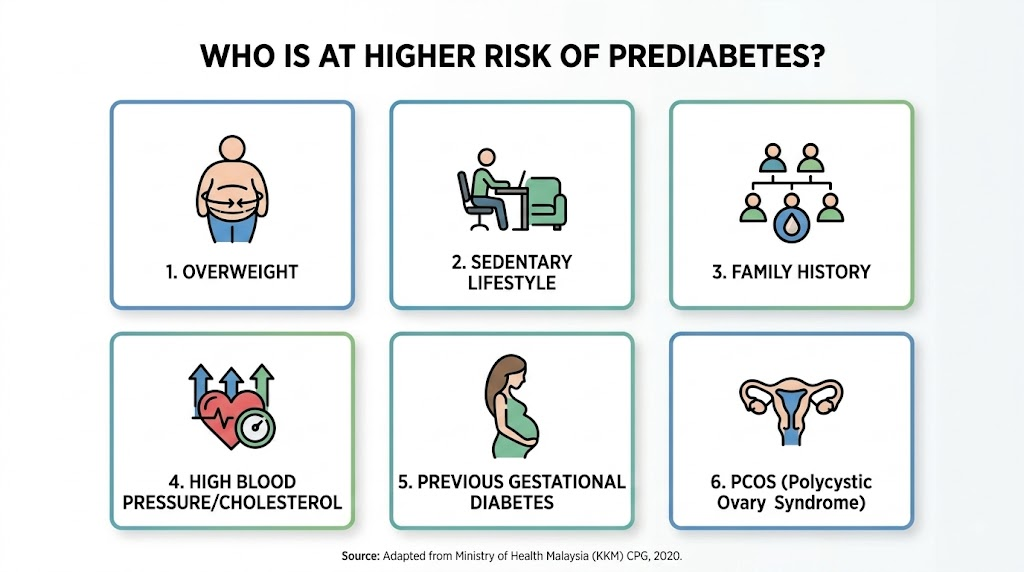
Who Is at Higher Risk of Prediabetes?
Your risk of abnormal blood glucose may be higher if you:
- Are overweight or obese: BMI of 23.0 kg/m² or above (overweight) and 27.5 kg/m² or above (obese).
- Have a sedentary lifestyle
- Have a parent or sibling with diabetes
- Have high blood pressure
- Have abnormal cholesterol or triglyceride levels
- Have cardiovascular disease
- Previously had gestational diabetes
- Have polycystic ovary syndrome (PCOS)
- Have previously been found to have impaired fasting glucose or impaired glucose tolerance
Having one or more risk factors does not mean you definitely have prediabetes. A blood test is needed to assess your glucose level.
Source: References: Ministry of Health Malaysia. Clinical Practice Guidelines: Management of Type 2 Diabetes Mellitus, 6th Edition.
________________________________________________________________________________________________________________________
How Is Prediabetes Detected?
Source: References: Ministry of Health Malaysia. Clinical Practice Guidelines: Management of Type 2 Diabetes Mellitus, 6th Edition.
Several blood tests may be used.
- HbA1c
HbA1c provides an indication of your average blood glucose level over approximately the previous 2–3 months.
One practical advantage is that you generally do not need to fast for an HbA1c test.
- Fasting Plasma Glucose
A fasting plasma glucose test measures your blood glucose after fasting, usually overnight (about 8 hours before the test).
- Oral Glucose Tolerance Test (OGTT)
For an OGTT, your blood glucose is measured before and after drinking a glucose solution. The test shows how effectively your body handles a glucose load.
Your doctor can advise which test is most appropriate based on your risk factors and clinical history.
________________________________________________________________________________________________________________________
Prediabetes Can Be Managed Early
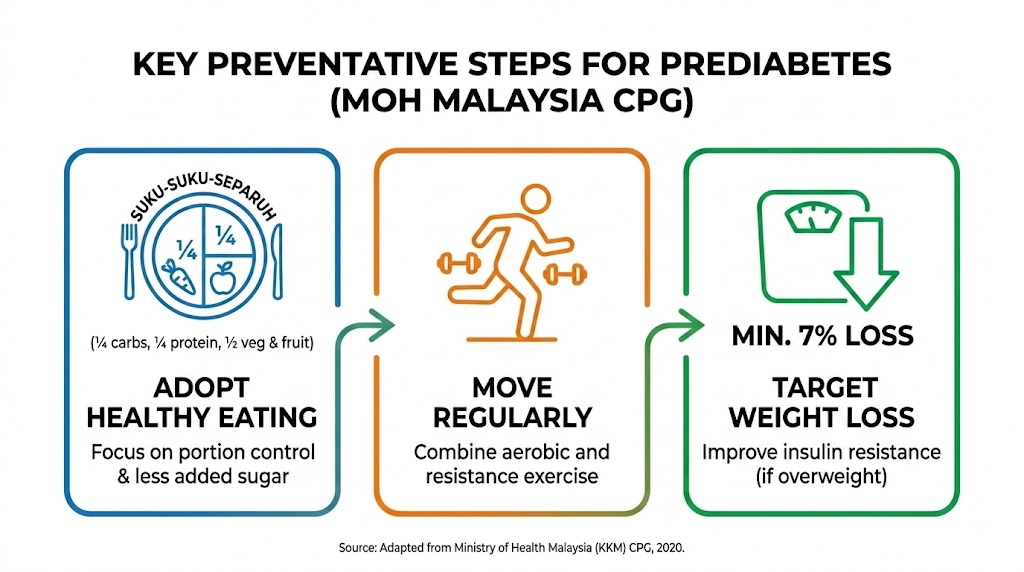
Source: References: Ministry of Health Malaysia. Clinical Practice Guidelines: Management of Type 2 Diabetes Mellitus, 6th Edition.
Being diagnosed with prediabetes does not mean that developing type 2 diabetes is inevitable.
Lifestyle intervention is the mainstay of preventing or delaying progression to type 2 diabetes.
KKM guidelines recommend an intensive behavioural lifestyle intervention, particularly focusing on weight management, healthy eating and regular physical activity. For people who are overweight, even modest weight loss may improve insulin sensitivity and reduce the risk of progression to type 2 diabetes. A target of around 5–7% of body weight is often used in structured lifestyle programmes, but individual goals should be personalised.
Regular physical activity should also become part of your routine. A combination of aerobic activity and resistance exercise can provide additional metabolic benefits.
________________________________________________________________________________________________________________________
What Should You Eat If You Have Prediabetes?
Rather than relying on a short-term restrictive diet, focus on building sustainable eating habits.
Aim to:
- Choose appropriate portions: A simple way to manage portions is to follow the Malaysian Healthy Plate (Suku-Suku-Separuh) concept: ¼ carbohydrates, ¼ protein, and ½ vegetables and fruit.
- Reduce sugar-sweetened drinks and foods high in added sugars
- Choose whole grains and other higher-fibre carbohydrate sources more often
- Include vegetables regularly
- Choose healthier sources of protein
- Limit excessive saturated fat
- Avoid excessive calorie intake
Importantly, having prediabetes does not mean that you must completely eliminate all carbohydrates. Portion size, carbohydrate quality and your overall dietary pattern are more important.
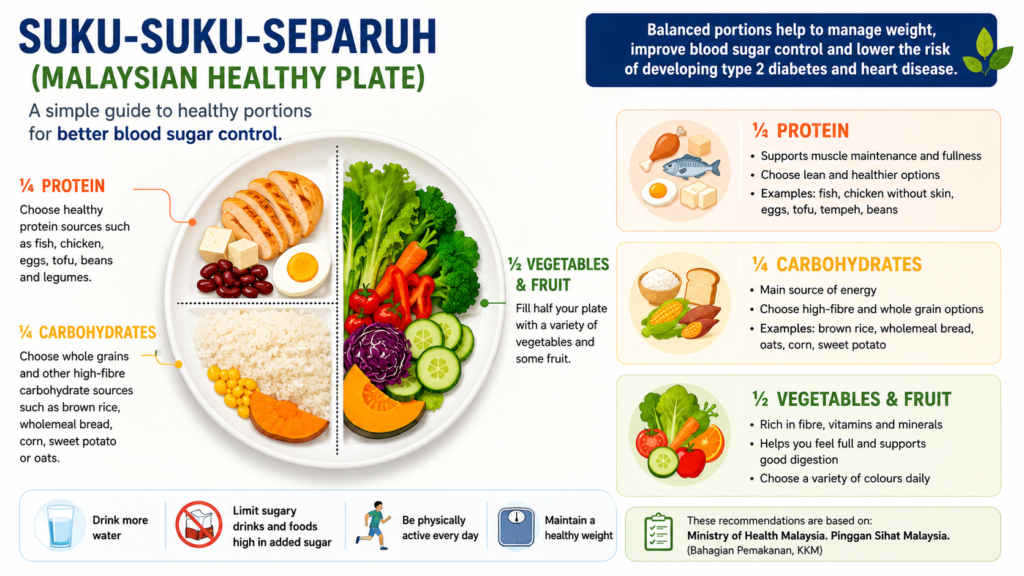
Source: Adapted from Ministry of Health Malaysia (KKM), Pinggan Sihat Malaysia (Suku-Suku-Separuh), Bahagian Pemakanan, Kementerian Kesihatan Malaysia.
You can also read our article on How Sugar Affects Heart Health: What You Need to Know to learn how excess sugar intake can affect blood sugar and cardiovascular health.
You can also read High Cholesterol: Can You Have It Even If You Look Healthy? to understand how high cholesterol can occur without obvious symptoms and contribute to cardiovascular risk alongside prediabetes.
________________________________________________________________________________________________________________________
Do People With Prediabetes Need Medication?
Not everyone with prediabetes requires medication.
Lifestyle modification remains the foundation of management. However, KKM guidelines state that metformin may be considered in selected people at very high risk, including those with prediabetes, a previous history of gestational diabetes, or those who have not achieved sufficient improvement following lifestyle therapy.
Medication should therefore be considered individually after assessment by a doctor rather than started solely because of one abnormal blood sugar result.
________________________________________________________________________________________________________________________
When Should You Get Your Blood Sugar Checked?
Consider discussing diabetes screening with your doctor if you have risk factors such as excess weight, a family history of diabetes, high blood pressure, abnormal cholesterol, previous gestational diabetes or other metabolic risk factors.
Screening may include fasting blood glucose and/or HbA1c, depending on your individual circumstances.
Early screening matters because prediabetes often develops quietly.
________________________________________________________________________________________________________________________
Take Action Before Prediabetes Becomes Diabetes
Prediabetes is a warning sign — but it is also an opportunity.
Finding abnormal blood sugar early gives you time to improve your diet, increase physical activity, manage your weight and address other cardiovascular risk factors before type 2 diabetes develops.
If your previous health screening showed borderline or elevated blood sugar levels, speak to your doctor about whether you need repeat testing and what changes would be most appropriate for you.
________________________________________________________________________________________________________________________
Frequently Asked Questions
Can prediabetes go back to normal?
Yes. Blood glucose levels can improve with appropriate lifestyle changes, particularly improvements in diet, physical activity and weight management. However, continued healthy habits and follow-up are important because the risk of developing diabetes can remain.
Is prediabetes the same as diabetes?
No. Prediabetes means blood glucose is above the normal range but has not reached the diagnostic threshold for diabetes.
Do I need to fast for an HbA1c test?
No. HbA1c generally does not require fasting. However, if your health screening includes fasting glucose, cholesterol or other tests that require fasting, you may still be asked to fast.
Can a thin person have prediabetes?
Yes. Although being overweight or obese increases the risk, body weight is only one risk factor. Genetics, family history, physical activity and other metabolic factors can also contribute.
Should I stop eating rice if I have prediabetes?
Not necessarily. Carbohydrates do not need to be completely eliminated. Portion size, the type of carbohydrate consumed and the overall balance of your diet are important.
How often should prediabetes be checked?
Follow-up should be individualised according to your blood glucose results, risk factors and your doctor’s assessment. Your doctor may recommend repeat HbA1c or fasting glucose testing to monitor whether your levels are improving or progressing.
Can you have prediabetes during pregnancy?
During pregnancy, abnormal blood sugar is usually assessed for gestational diabetes (GDM) rather than prediabetes. If you are pregnant and have previously had borderline or high blood sugar, speak to your doctor about appropriate screening and monitoring.